
THE IMPORTANCE OF PSYCHOPHYSIOLOGICAL FACTORS IN PREPARATION FOR EXTREME SITUATIONS
Article Sidebar
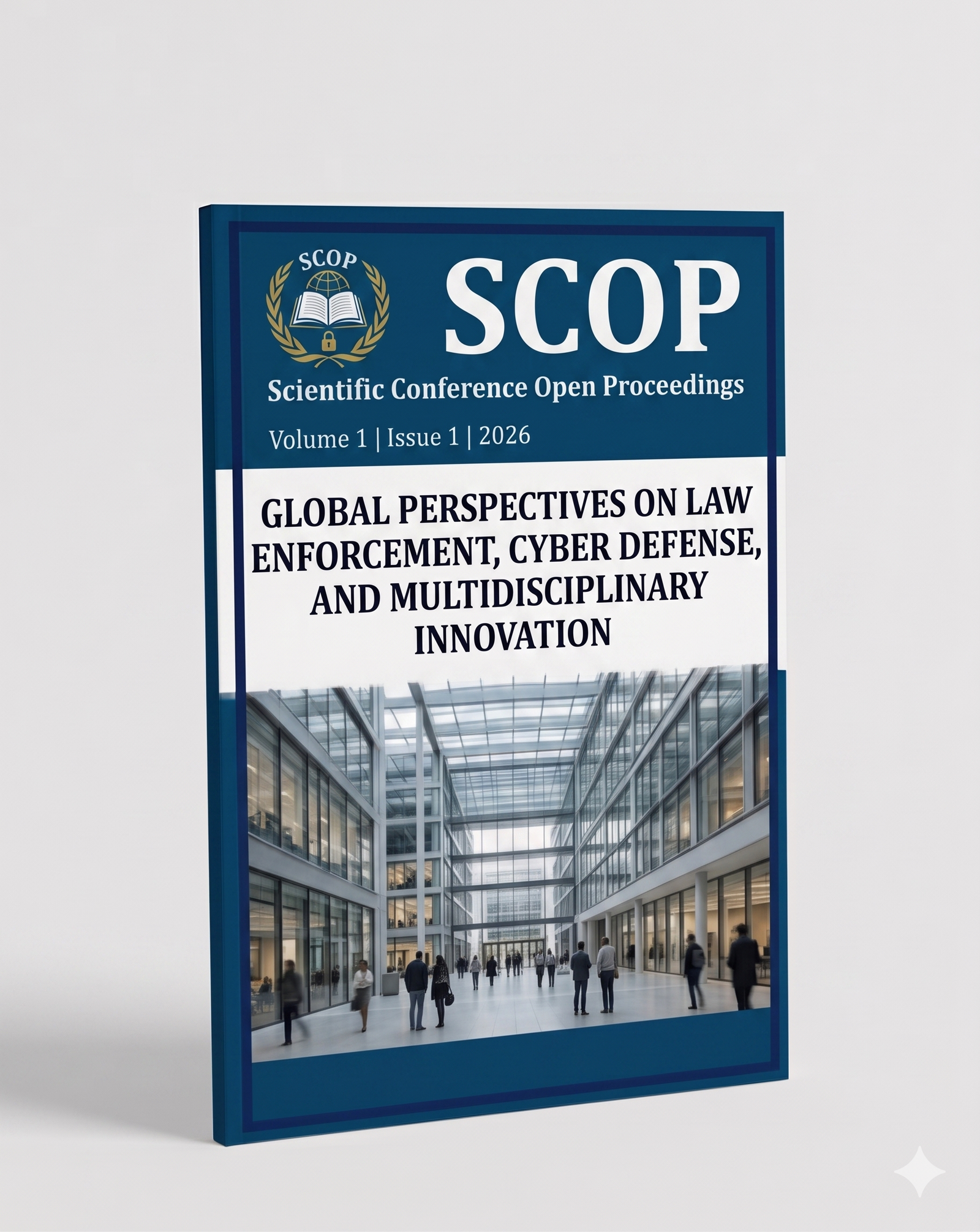
Main Article Content
Abstract
This article examines the issues of psychophysiological preparedness of law enforcement officers and cadets performing their duties in extreme conditions. The impact of stress, emotional strain, cognitive processes, and the adaptive capabilities of the human body on professional performance is analyzed from a scientific perspective. The study also substantiates the importance of psychophysiological training in ensuring psychological stability, concentration of attention, and effective decision-making in extreme situations.
Article Details
Section

This work is licensed under a Creative Commons Attribution 4.0 International License.
How to Cite
References
1. Selye H. Stress without Distress. Moscow: Progress Publishers; 1982. 124 p.
2. Bodrov V.A. Psychological Stress: Development and Coping. Moscow: PER SE; 2006. 528 p.
3. Kitaev-Smyk L.A. Psychology of Stress: Psychological Anthropology of Stress. Moscow: Akademicheskiy Proekt; 2009. 943 p.
4. Maklakov A.G. General Psychology. Saint Petersburg: Piter; 2016. 583 p.
5. Everly G.S., Lating J.M. A Clinical Guide to the Treatment of the Human Stress Response. New York: Springer; 2019. 512 p.
6. McEwen B.S. Physiology and neurobiology of stress and adaptation: central role of the brain. Physiological Reviews. 2007;87(3):873–904.
7. Leonova A.B. Psychodiagnostics of Human Functional States. Moscow: Moscow University Press; 2012. 312 p.
8. Andersen J.P., Gustafsberg H. A training method to improve police use-of-force decision making: A randomized controlled trial. SAGE Open. 2016;6(2):1–13.
9. Andersen J.P., Papazoglou K., Nyman M., et al. Mental preparedness as a pathway to police resilience and optimal functioning in the line of duty. International Journal of Emergency Mental Health and Human Resilience. 2015;17(3):624–627.
10. Violanti J.M., Owens S.L., Fekedulegn D., et al. An exploration of shift work, fatigue, and gender among police officers: The BCOPS Study. Workplace Health & Safety. 2018;66(11):530–537.